

We have a guest contribution from Iulia Morariu, who does marketing for us. Iulia has a bachelor's degree in computer science and a master’s degree in computer networking. She shares her point of view about her experience as an outsourcing engineer for the company.
Outsourcing is the main focus of this post. Since early 1990s outsourcing captured the attention of some of the biggest companies in the world. Growing along with the Internet, outsourcing came as a natural thing for those who seek cheap work force and skilled engineers. According to The International Center for Peace and Development “It began on a large scale with the migration of manufacturing jobs to lower wage developing countries in the 1960s and 70s, when countries such as Singapore, Taiwan, South Korea became major manufacturing hubs for global corporations.†It accelerated in the 1990s when other countries became major destinations for foreign investment in manufacturing for export. XMG Global, an ITC Research and Advisory Company noted that the global outsourcing industry was estimated in 2010 to $425 billion having a growth of 13.9% from 2009’s $374 billion.
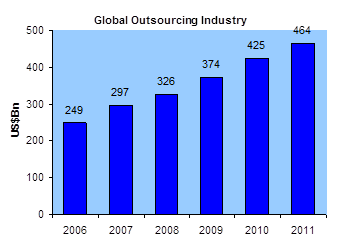
Figure 1: Global Outsourcing Industry. Source: XMG Global
Among the first industries that saw the advantages for this was the IT sector. This is now reflected into global IT services spending in excess of $3.5B last year (table 1), much of it outsourced:
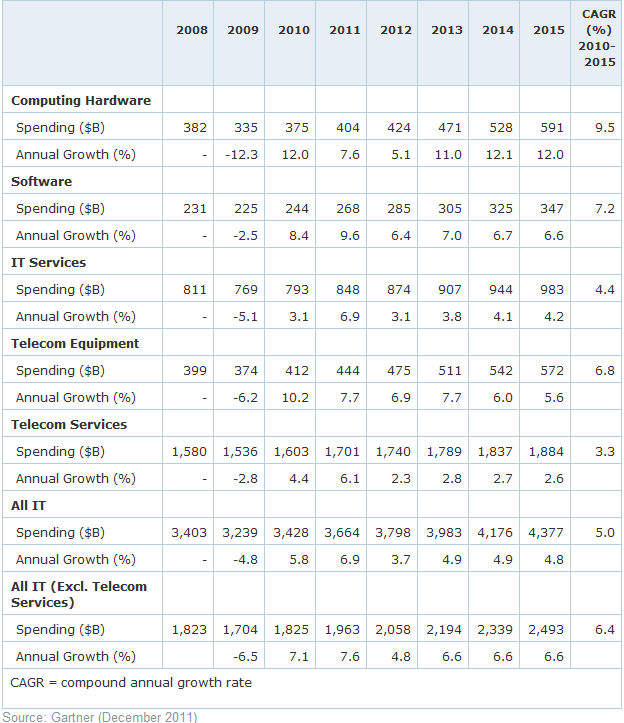
Table 1. IT Spending by Sector, Worldwide, 2008-2015
According to Gartner's U.S. dollar growth forecast for global IT spending in 2012 has been revised downward from 4.6% in the previous quarter to 3.7%. “Faltering global economic growth, the Eurozone crisis and the impact of Thailand's floods on hard-disc drive production have taken their toll on IT spendingâ€, remarked Richard Gordon, VP of Research for Gartner Inc.
European engineers are spread all over the world, mostly the ones that continued their studies in a foreign country and then managed to obtain positions in international corporations. “While reliable projections are difficult in a field that is evolving so rapidly, it has been estimated that by 2015, US companies will offshore 3.3 million jobs valued at $135 billion a yearâ€, The International Center for Peace and Development states in its “Employment Trends in the 21st Century†research.
“European firms prefer nearshoring to countries in Eastern Europe such as Romania where wages are only 10% of the level in the West. More than 80% of world's top 2000 companies operate significant outsourcing operations overseasâ€, says the research report. So why shouldn’t US companies take on the trend to a next level? I am sure they will continue to outsource their business throughout European countries. Gaining not only cheap labor but also an inside view of how the European market evolves. Evolving technology and the hunger for money will spread knowledge in the most remote places on Earth.
Projections from The International Labour Office in Geneva for unemployment from 2011-2016 indicate that there will be a large untapped pool of skilled talent in Europe for the foreseeable future:
European engineers are spread all over the world, mostly the ones that continued their studies in a foreign country and then managed to obtain positions in international corporations. “While reliable projections are difficult in a field that is evolving so rapidly, it has been estimated that by 2015, US companies will offshore 3.3 million jobs valued at $135 billion a yearâ€, The International Center for Peace and Development states in its “Employment Trends in the 21st Century†research.
“European firms prefer nearshoring to countries in Eastern Europe such as Romania where wages are only 10% of the level in the West. More than 80% of world's top 2000 companies operate significant outsourcing operations overseasâ€, says the research report. So why shouldn’t US companies take on the trend to a next level? I am sure they will continue to outsource their business throughout European countries. Gaining not only cheap labor but also an inside view of how the European market evolves. Evolving technology and the hunger for money will spread knowledge in the most remote places on Earth.
Projections from The International Labour Office in Geneva for unemployment from 2011-2016 indicate that there will be a large untapped pool of skilled talent in Europe for the foreseeable future:
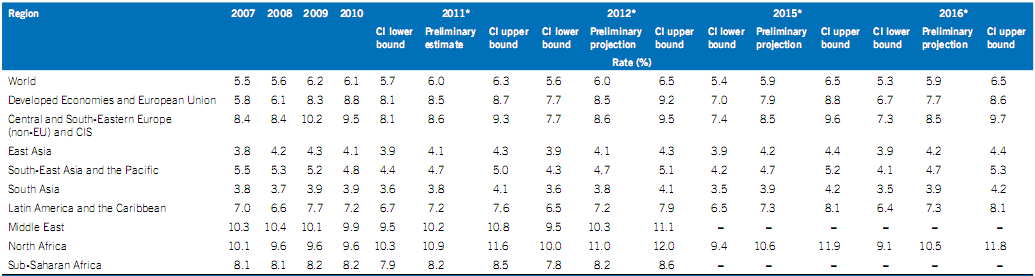
Table 2. Unemployment projection from The International Labour Office in Geneva
I believe that international companies should invest more in foreign countries, keeping the “wheels spinning†and the money coming. Speaking from my experience as one such engineer – I myself live in Romania -- I can say that it is a life changing opportunity and that there is much more we can learn from each other. When working in an international company you don’t just have the world at your feet (by reducing the distance from 3,000 kilometers to a click away) but also have the chance to interact in a multicultural environment.
References:
1 – “Employment Trends in the 21st Centuryâ€, The International Center for Peace and Development, www.icpd.org
2. – “Global Employment Trends 2012â€, The International Labour Office in Geneva, http://www.ilo.org
3. – Gartner Worldwide IT Spending Forecast, http://www.gartner.com/technology/research/it-spending-forecast/
References:
1 – “Employment Trends in the 21st Centuryâ€, The International Center for Peace and Development, www.icpd.org
2. – “Global Employment Trends 2012â€, The International Labour Office in Geneva, http://www.ilo.org
3. – Gartner Worldwide IT Spending Forecast, http://www.gartner.com/technology/research/it-spending-forecast/


 RSS Feed